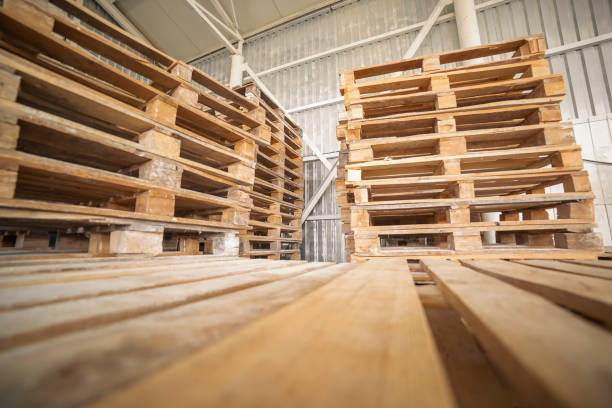
Wooden pallets are an essential component in the logistics and supply chain industry, providing a sturdy and reliable foundation for transporting goods. Proper maintenance of these pallets not only ensures the safety of goods but also extends their lifespan, maximizing cost-effectiveness and sustainability. This article explores the best practices for maintaining wooden pallets, helping businesses to make the most of their investment in this crucial logistical asset.
Regular Inspection and Cleaning
Regular inspections are vital in maintaining the structural integrity of wooden pallets. Identifying and addressing minor issues early can prevent more significant problems in the future.
- Inspect pallets for any signs of damage, such as cracks, splinters, or loose nails.
- Check for signs of mold or pest infestation, particularly if pallets are stored in humid environments.
- Use a stiff brush and mild detergent to clean pallets, removing dirt and debris that can harbor pests.
- Allow pallets to dry thoroughly before use to prevent moisture damage.
Proper Storage Techniques
Storing wooden pallets correctly is crucial to prolonging their lifespan and maintaining their load-bearing capabilities.
Organize and Stack Correctly
- Stack pallets evenly and avoid overloading stacks, which can cause warping or collapsing.
- Ensure that stacks are stable and secure to prevent accidents.
- Use a flat, dry surface for storing pallets to protect against moisture and uneven pressure.
Protect from Environmental Elements
- Store pallets in a dry, well-ventilated area to protect them from moisture and humidity.
- If outdoor storage is necessary, use covers or tarps to shield pallets from rain and sun exposure.
- Regularly rotate the stock to ensure even wear and tear across all pallets.
Repair and Recycling
Extending the life of wooden pallets also involves timely repairs and exploring recycling options.
Repair Damaged Pallets
- Replace broken boards and tighten or replace loose nails to restore pallet strength.
- Consider using wood glue or sealants to reinforce joints and prevent future damage.
- Keep a supply of spare parts on hand for quick repairs.
Recycling Options
- Evaluate pallets beyond repair for recycling opportunities, such as converting them into mulch or biofuel.
- Partner with companies that specialize in pallet recycling to ensure environmentally responsible disposal.
Conclusion
Maintaining and extending the lifespan of wooden pallets is an essential practice for businesses looking to optimize their supply chain efficiency. Through regular inspections, proper storage, timely repairs, and effective recycling strategies, businesses can ensure their pallets remain in optimal condition for as long as possible. By following these best practices, the durability and cost-effectiveness of wooden pallets can be significantly enhanced, benefiting both the business and the environment.
About the Author