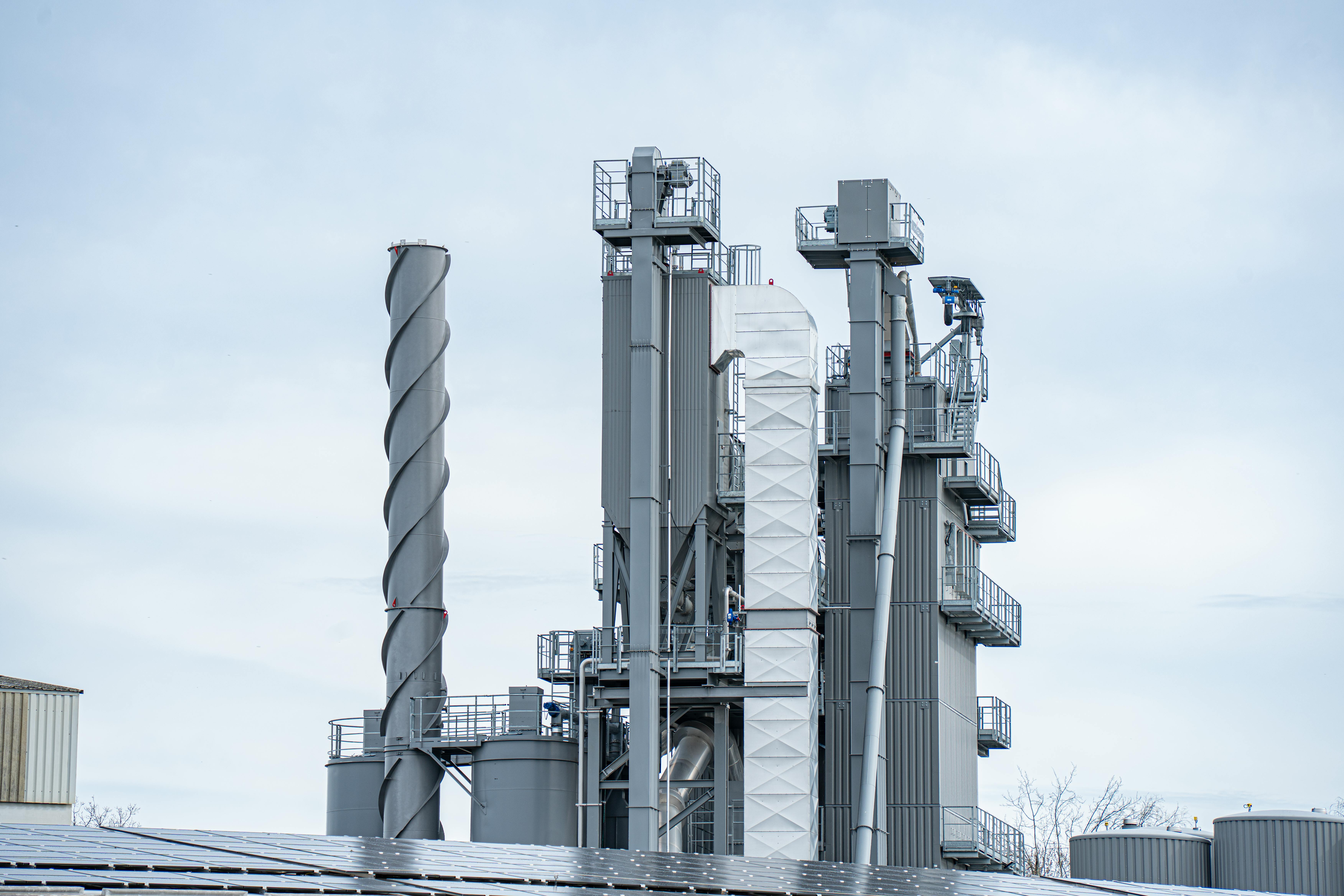
In the vast realm of construction and road building, asphalt remains a cornerstone material due to its durability and versatility. A critical component of the asphalt production process is the asphalt drum mix plant. These plants are essential for producing consistent, high-quality asphalt mixtures that meet the rigorous demands of modern infrastructure projects. Understanding the asphalt drum mix plant process can help stakeholders make informed decisions about equipment selection and project planning.
Understanding the Asphalt Drum Mix Plant Process
The asphalt drum mix plant is a continuous mixing plant that produces asphalt mixtures through a simple and efficient process. It is favored for its ability to produce large volumes of asphalt with consistent quality. This section breaks down the key stages of the drum mix process.
Components of the Drum Mix Plant
A typical asphalt drum mix plant comprises several key components, each playing a crucial role in the production process:
- Cold Aggregate Feeder: This is the starting point where different sizes of aggregates are fed into the system.
- Drying and Mixing Drum: A cylindrical drum where heating, drying, and mixing of aggregates with bitumen occur simultaneously.
- Bitumen Storage and Heating: Facilities that ensure bitumen is stored and heated to the required temperature for effective mixing.
- Mineral Filler Unit: This unit adds fillers to enhance the final asphalt product’s properties.
- Control Panel: The nerve center for monitoring and controlling the entire plant operation.
- Dust Collection System: Ensures environmental compliance by collecting dust produced during the process.
Steps in the Drum Mix Process
The asphalt drum mix plant follows a streamlined process:
- Aggregate Feeding: Different sizes of cold aggregates are fed into the feeder bins.
- Heating and Mixing: Aggregates are conveyed into the drying drum where they are heated and mixed with bitumen and fillers.
- Asphalt Discharge: The mixed asphalt is discharged from the drum and can be stored in silos or directly loaded onto trucks for transport.
Advantages of Using a Drum Mix Plant
Choosing an asphalt plant that operates with a drum mix process offers numerous benefits:
- Continuous Production: Unlike the asphalt batch mix plant, the drum mix plant can operate continuously, making it suitable for large-scale projects.
- Cost Efficiency: Reduced energy consumption and fewer moving parts lead to lower operational costs.
- Consistency: Produces consistent asphalt quality, crucial for projects requiring stringent standards.
- Flexibility: Some models, like the mobile asphalt plant, offer mobility, providing flexibility in location.
Key Considerations When Selecting an Asphalt Drum Mix Plant
When selecting an asphalt batching plant, several factors must be taken into account to ensure it meets project requirements:
- Production Capacity: Assess the plant’s capacity to match the scale of the project.
- Environmental Compliance: Ensure the plant’s dust collection system meets local environmental regulations.
- Technological Features: Modern plants come with advanced control systems for precision and ease of operation.
- Supplier Reputation: Partnering with a reliable asphalt plant supplier ensures quality equipment and support.
Conclusion
In conclusion, the asphalt premix plant plays a pivotal role in the construction industry by delivering high-quality asphalt mixtures essential for durable infrastructure. A clear understanding of its process and components helps in making informed decisions, ensuring project success through improved operational efficiency and output quality.
About the Author