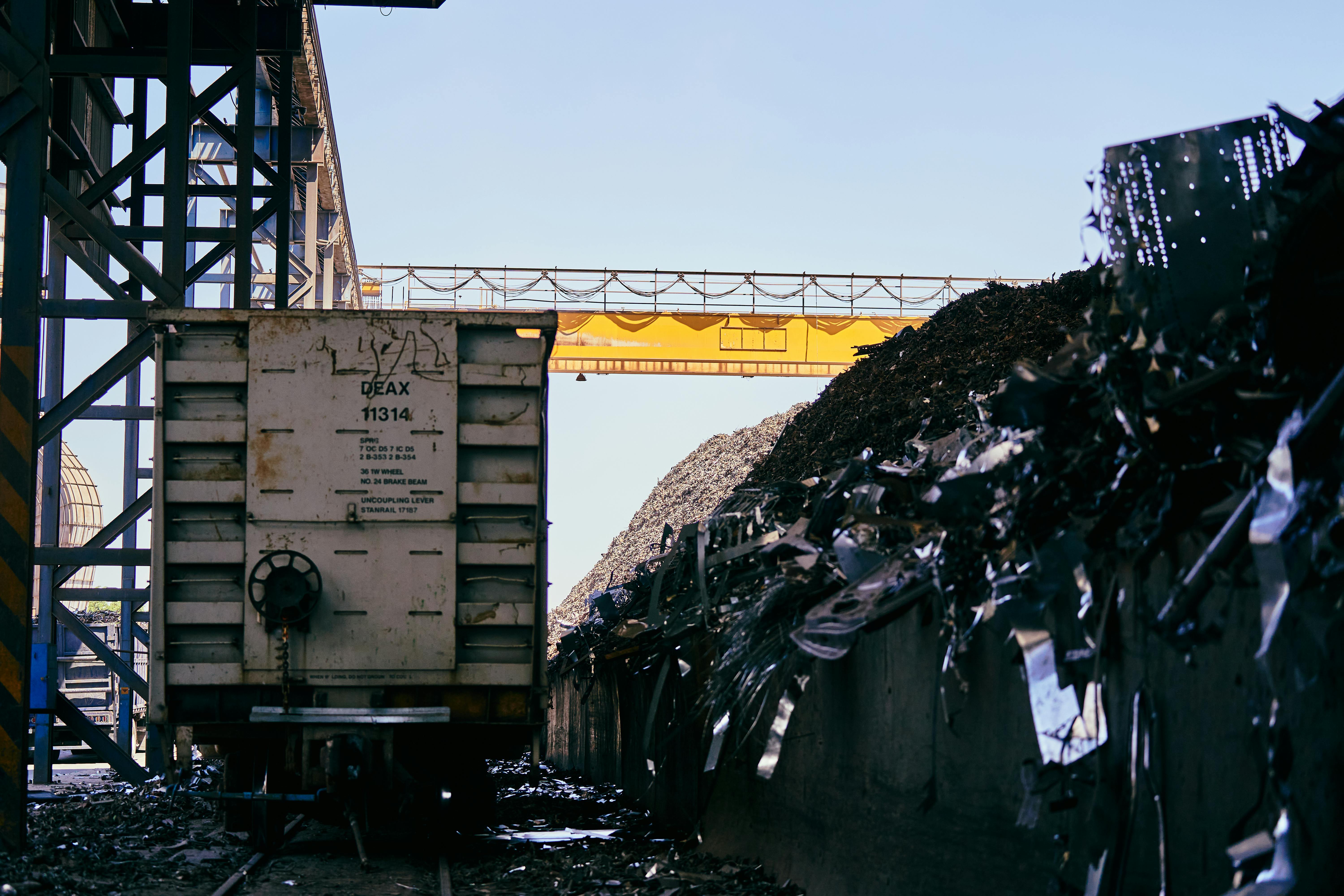
Asphalt recycling systems play a pivotal role in the modern construction industry, offering sustainable solutions to the ever-growing demand for road construction and maintenance. With the increasing focus on environmental conservation and resource optimization, asphalt recycling has emerged as a key strategy in reducing waste and minimizing the carbon footprint associated with traditional road paving processes. This article delves into the intricacies of asphalt recycling systems, exploring their components, benefits, and the technology that drives them.
Understanding Asphalt Recycling Systems
Asphalt recycling systems are designed to reuse old asphalt materials, thereby reducing the need for new resources and lowering the environmental impact of road construction. These systems can be broadly categorized based on the method and temperature used in the recycling process.
Types of Asphalt Recycling
- Hot Recycling: Involves heating the reclaimed asphalt pavement (RAP) to a high temperature to soften it, allowing it to be mixed with new materials to create a fresh asphalt mixture.
- Warm Mix Asphalt: This method uses lower temperatures, reducing energy consumption and emissions. It is gaining popularity due to its environmental benefits.
- Cold Asphalt Recycling System: Utilizes cold or ambient temperatures to recycle asphalt, often with the addition of emulsions or foamed bitumen. This approach is particularly suitable for in-place recycling.
Benefits of Asphalt Recycling Systems
The implementation of asphalt recycling systems offers numerous advantages, making them an integral part of sustainable construction practices.
- Environmental Conservation: Recycling reduces the need for new asphalt production, conserving natural resources and decreasing greenhouse gas emissions.
- Cost Efficiency: Utilizing RAP significantly lowers material costs, making projects more economically viable.
- Performance Enhancement: Advances in technology allow recycled asphalt to match or even exceed the performance of new asphalt, ensuring durability and longevity.
Key Components of Asphalt Recycling Systems
Effective asphalt recycling systems comprise various components that work synergistically to process and reuse asphalt materials efficiently.
Asphalt Recycling Plant
A central component is the asphalt recycling plant, which processes RAP to create reusable material. These plants are equipped with crushers, screens, and conveyors to handle the recycling process seamlessly.
Asphalt Recycling Machine
The asphalt recycling machine is crucial for breaking down and processing reclaimed materials. These machines vary in size and capability, depending on the scale of the recycling operation.
Technology Driving Asphalt Recycling
Technological advancements have significantly enhanced the efficiency and effectiveness of asphalt recycling systems, making them more accessible and practical for widespread use.
- Advanced Heating Techniques: Innovative heating methods allow for the efficient mixing of recycled and new asphalt, optimizing the quality of the final product.
- Improved Binder Technologies: The development of new bitumen binders enhances the performance characteristics of recycled asphalt, ensuring it meets modern standards.
- Enhanced Processing Equipment: State-of-the-art machinery ensures precise control over the recycling process, minimizing waste and maximizing output.
Challenges and Future Prospects
While asphalt recycling systems offer numerous benefits, challenges such as the variability of RAP quality and the need for specialized equipment can pose obstacles. However, ongoing research and development efforts aim to overcome these challenges, paving the way for more efficient and widespread adoption of recycling practices.
As the demand for sustainable construction solutions continues to rise, asphalt recycling systems are expected to play an increasingly important role in the industry. By embracing these systems, the construction sector can significantly contribute to environmental conservation while maintaining the quality and durability of its infrastructure.
About the Author