Keeping basements dry and secure is a critical aspect of home maintenance that often gets overlooked until significant problems arise. Basements, being below ground level, are naturally prone to water infiltration, which can lead to structural damage, mold growth, and other health risks. Engaging in regular basement waterproofing inspection is an essential preventive measure to ensure the longevity and safety of any building. This article delves into the importance of these inspections, what they entail, and how they help prevent costly repairs and health hazards.
The Importance of Basement Waterproofing Inspection
Conducting a basement waterproofing inspection is crucial for identifying potential issues before they escalate. Moisture in the basement can lead to a cascade of problems that affect the entire structure of a building.
- Prevention of Structural Damage: Water can erode foundations and support structures, leading to costly repairs if not detected early.
- Mold and Mildew Prevention: Moist environments are breeding grounds for mold, which can affect air quality and pose health risks.
- Increased Property Value: A dry, well-maintained basement contributes to the overall value and appeal of a property.
- Energy Efficiency: Keeping a basement dry helps in maintaining the thermal integrity of a building, reducing energy costs.
What Happens During a Basement Inspection?
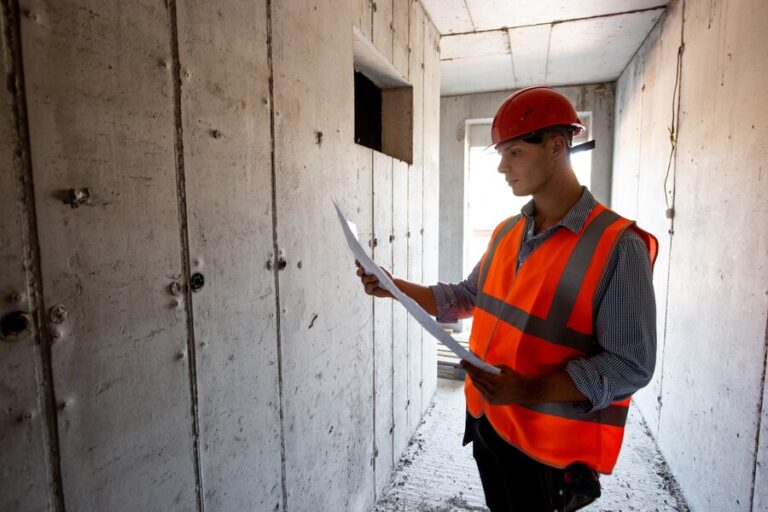
A basement inspector will conduct a thorough assessment to identify signs of moisture entry and potential problem areas. The process typically includes:
Visual Inspection
The inspection begins with a careful visual examination of the basement’s interior and exterior. Inspectors look for:
- Cracks in walls and floors that may indicate water entry points.
- Signs of mold or mildew, such as discoloration or a musty smell.
- Evidence of previous water damage, like stains or warped materials.
Moisture Testing
Advanced tools and techniques are used to measure moisture levels and identify hidden water issues. This might include:
- Using hygrometers to assess humidity levels.
- Deploying thermal imaging cameras to detect cold spots that indicate moisture.
Benefits of Regular Inspections
Engaging a water damage inspector regularly ensures that any issues are identified and addressed promptly, preventing further damage.
- Early Detection: Regular inspections catch small problems before they become major repairs.
- Cost Savings: Preventive care is often less expensive than repairing extensive damage.
- Peace of Mind: Knowing that the basement is dry and secure offers comfort to property owners.
How to Choose a Qualified Inspector
When selecting a professional for a wet basement inspection, consider the following criteria:
- Experience and Credentials: Ensure the inspector has relevant experience and certifications in waterproofing.
- References and Reviews: Check for positive feedback from past clients.
- Comprehensive Services: Choose an inspector who offers detailed reports and recommendations.
Conclusion
A proactive approach to maintaining a dry and safe basement is crucial for the overall health and value of a property. By regularly conducting a basement water inspection, property owners can prevent serious issues and maintain a comfortable, healthy living environment. Selecting a qualified inspector who provides comprehensive services will ensure that any potential problems are swiftly and effectively addressed, safeguarding the integrity of the home for years to come.
About the Author