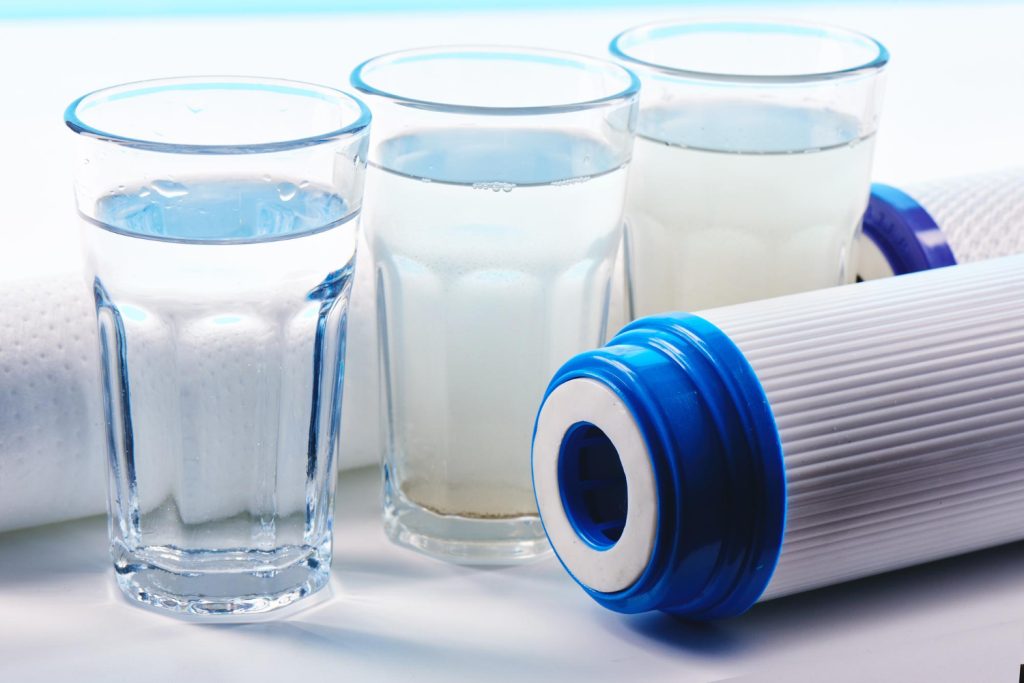
Water softeners play a crucial role in maintaining the quality of water in households, especially in areas with hard water. Hard water, which contains a high concentration of minerals such as calcium and magnesium, can lead to various issues like scale buildup in pipes and appliances, reducing their efficiency and lifespan. Choosing the right water softener can be a daunting task given the numerous options available. However, understanding the key factors to consider can simplify the decision-making process, ensuring that homeowners select a system that best suits their needs.
Understanding Water Softener Options
When selecting a water softener, it’s important to understand the different types available. Each type has its unique features and benefits, making them suitable for different needs and preferences.
Salt-Based Ion Exchange Softeners
These are the most common water softeners. They work by exchanging calcium and magnesium ions in water with sodium ions. This process effectively reduces water hardness.
- Highly effective at reducing water hardness.
- Requires periodic salt refills.
- Needs regular maintenance to ensure optimal performance.
Salt-Free Water Softeners
Unlike the ion exchange system, salt-free softeners neutralize minerals rather than removing them. They are ideal for those who prefer a salt-free solution.
- Environmentally friendly as they do not use chemicals.
- Low maintenance since there’s no need for salt refills.
- Best suited for areas with moderate water hardness.
Find out more about this approach and how it can fit into your home.
Magnetic and Electronic Softeners
These systems use electromagnetic waves to alter the properties of minerals in the water, preventing them from forming scale.
- Easy to install and maintain.
- Effective for small households with minimal water hardness issues.
- May not be suitable for areas with high mineral content.
Factors to Consider When Choosing a Water Softener
Selecting the right water softener involves assessing various factors unique to your household and water conditions.
Water Hardness Level
Begin by testing the hardness level of your water. This will guide you in choosing a system with the appropriate capacity and efficiency. Learn about our tailored solutions to assess your water hardness accurately.
Household Water Usage
Consider the average daily usage of water in your household. Larger families or homes with high water consumption will require a system with a higher capacity.
Budget and Maintenance Costs
While initial costs are important, be sure to evaluate the long-term maintenance expenses. Some systems, like salt-based softeners, incur ongoing costs for salt and maintenance.
Space Availability
The physical size of the softener is another consideration. Ensure that there is adequate space in your home to accommodate the system.
Discover expert strategies here to optimize space and installation.
Conclusion
Choosing the right water softener involves evaluating your specific needs and understanding the various options available. By considering factors such as water hardness, household water usage, budget, and space availability, homeowners can make informed decisions that enhance water quality and extend the lifespan of plumbing and appliances. Explore advanced guides and tips for further insights into selecting the perfect water softener for your home.
About the Author


