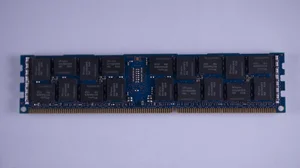
In the rapidly evolving landscape of technology, businesses are often faced with critical decisions regarding their IT infrastructure. One such decision is choosing between DDR4 and DDR5 memory. Both types of RAM (Random Access Memory) play pivotal roles in determining the performance and efficiency of computing systems. As the successor to DDR4, DDR5 offers several enhancements, but the decision isn’t always straightforward. It’s essential to weigh the benefits and drawbacks of each to determine which is the best fit for your business needs.
Understanding DDR4 and DDR5 Memory
DDR4, or Double Data Rate 4, has been a staple in the computing industry for several years. It offers reliable performance and has been the go-to choice for many businesses due to its balance between cost and efficiency. However, with the advent of DDR5, there are new considerations to keep in mind.
Key Features of DDR4
- Data Transfer Rate: Ranges from 1600 to 3200 MT/s.
- Voltage: Typically operates at 1.2V, making it energy-efficient.
- Latency: Offers a balance between speed and latency, suitable for most business applications.
- Cost: Generally more affordable than its successor, DDR5.
For businesses that prioritize cost-effectiveness without compromising too much on performance, DDR4 remains a viable option. Find additional information here.
Key Features of DDR5
- Data Transfer Rate: Significantly higher, starting at 4800 MT/s and potentially reaching beyond 6400 MT/s.
- Voltage: Operates at a lower voltage of approximately 1.1V, offering improved energy efficiency.
- Bandwidth: Provides double the bandwidth compared to DDR4, enabling better multitasking and data processing capabilities.
- Increased Capacity: Supports higher memory capacities, which is beneficial for data-intensive applications.
For businesses with high-performance demands and the need for future-proofing their systems, DDR5 is a compelling choice. Explore further insights here.
Choosing the Right Memory for Your Business
Performance Needs
The decision between DDR4 and DDR5 largely hinges on the performance requirements of your business applications:
- If your operations involve extensive data processing, AI, or machine learning applications, DDR5’s higher bandwidth and capacity can provide significant advantages.
- For businesses with standard computing needs, such as word processing and typical office applications, DDR4 may suffice due to its cost-effectiveness.
Read more about this topic to assess your specific performance needs.
Budget Considerations
Budget constraints are a critical factor in the decision-making process:
- DDR4 is generally more budget-friendly, making it a suitable choice for businesses looking to optimize costs.
- DDR5, while more expensive, could be seen as an investment in future-proofing, especially if the business anticipates scaling operations.
Balancing budget with technological needs is crucial. Learn more in this detailed guide.
Conclusion
Ultimately, the choice between DDR4 and DDR5 memory should be guided by the specific needs and goals of your business. While DDR5 offers superior performance and future-ready capabilities, DDR4 remains a solid and cost-effective option. Businesses must consider performance demands, budget constraints, and future growth plans when making this decision. By carefully evaluating these factors, companies can select the memory type that aligns best with their operational objectives and ensures optimal performance.
About the Author