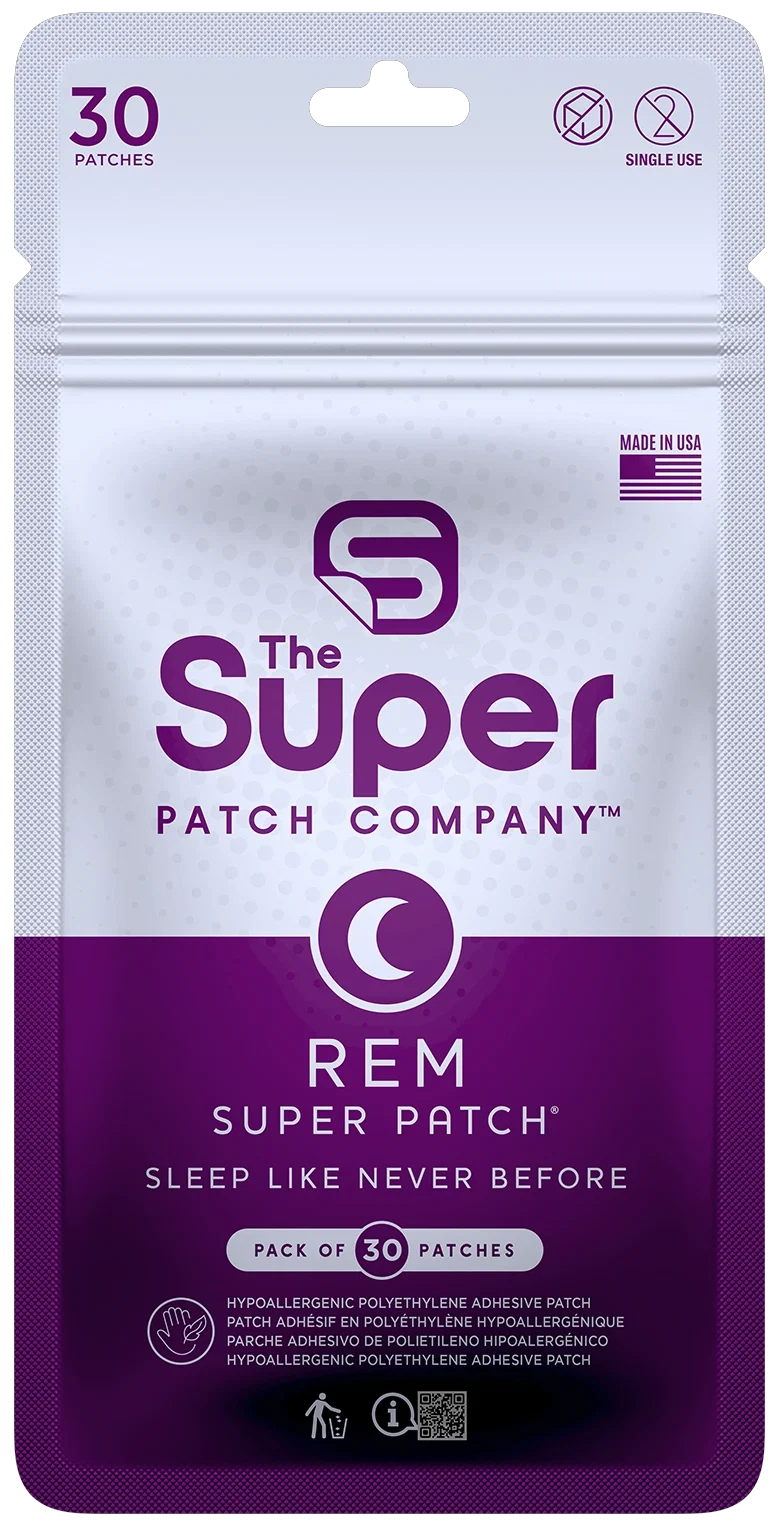
In the quest for effective pain management solutions, many individuals are turning to innovative methods that offer convenience and efficacy. Among these, pain relief patches have emerged as a popular choice, providing targeted relief without the systemic side effects often associated with oral medications. These transdermal patches are designed to deliver active ingredients directly to the source of pain, making them an attractive option for those seeking localized treatment. Understanding the advantages of using patches for pain relief can help individuals make informed decisions about their pain management strategies.
Understanding How Pain Relief Patches Work
Pain relief patches operate on the principle of transdermal delivery, which involves the absorption of active ingredients through the skin. This method allows for a steady release of medication, ensuring consistent relief over an extended period. The key components of a pain relief patch typically include:
- Active Ingredients: These may include analgesics or anti-inflammatory agents that target pain and swelling.
- Adhesive Layer: This secures the patch to the skin, ensuring that the active ingredients remain in close contact with the target area.
- Backing Layer: A protective layer that prevents the patch from being damaged or deteriorated by external factors.
Types of Pain Relief Patches
There are various types of pain relief patches available, each designed to address specific pain conditions. These include:
- Lidocaine Patches: Often used for neuropathic pain, these patches numb the affected area.
- Capsaicin Patches: Derived from chili peppers, these patches are known for their ability to reduce certain types of chronic pain.
- NSAID Patches: Non-steroidal anti-inflammatory drugs (NSAIDs) are used in patches to alleviate pain and inflammation.
The Benefits of Using Pain Relief Patches
The advantages of using pain relief patches are numerous and can significantly improve the quality of life for individuals dealing with various pain conditions. Some notable benefits include:
- Targeted Relief: Unlike oral medications, patches provide localized treatment, delivering medication directly to the site of pain.
- Reduced Side Effects: Since the medication bypasses the digestive system, there is a lower risk of systemic side effects.
- Convenience: Patches are easy to apply and can be worn discreetly under clothing, making them a practical option for daily use.
- Consistent Dosage: The controlled release of medication ensures that pain relief is sustained over time, reducing the need for frequent dosing.
Considerations When Using Pain Relief Patches
While pain relief patches offer numerous benefits, it is important to consider certain factors to ensure their safe and effective use:
- Skin Sensitivity: Individuals with sensitive skin should test a small area before applying the patch to avoid irritation.
- Proper Application: To maximize effectiveness, ensure the skin is clean and dry before applying the patch.
- Duration of Use: Follow the recommended duration of use to prevent skin irritation or diminished effectiveness.
Conclusion
Pain relief patches represent an innovative approach to managing pain, offering a viable alternative to traditional oral medications. With their ability to provide targeted, consistent, and convenient relief, they are increasingly being recognized as a valuable tool in pain management. To explore the various options available, individuals can consider the range of patches for pain relief that cater to diverse pain needs. By integrating these patches into their pain management regimen, individuals can potentially enhance their quality of life and achieve better pain control.
About the Author