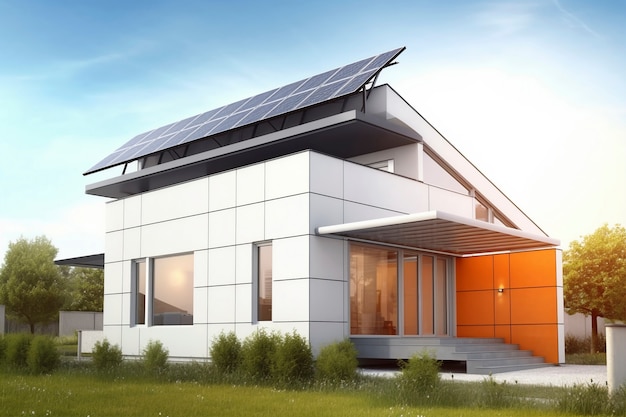
Choosing solar energy for a home in Lakeland is more than a cost-saving decision; it’s an investment in long-term sustainability and property value. With the region’s abundant sunshine, residential solar panel installation has become a practical solution for homeowners seeking reliable, clean power. This guide walks through the essential steps, considerations, and best practices for a successful house solar panel installation, helping you make informed choices from site assessment to final commissioning.
Understanding the Benefits of Residential Solar in Lakeland
- Reduced Electricity Bills: Solar panels generate electricity that offsets utility costs, often leading to substantial savings over the system’s lifetime.
- Environmental Impact: By producing clean energy, homeowners lower their carbon footprint and contribute to a greener community.
- Property Value Increase: Studies show that homes equipped with solar systems sell at a premium compared to non-solar properties.
- Incentives and Tax Credits: Federal and Florida state programs provide rebates, tax credits, and net-metering benefits that improve the financial outlook.
Key Steps in the Installation Process
1. Site Evaluation and Solar Feasibility
A thorough site assessment determines whether a property is suitable for solar. Professionals examine roof orientation, shading, structural integrity, and available space. For a detailed walkthrough of this evaluation, Discover expert strategies here.
2. System Design and Engineering
Based on the site data, a customized solar design is created. This includes selecting panel types, inverter size, and mounting solutions that align with the home’s architecture and energy goals. The design phase also incorporates local building codes and permitting requirements.
3. Permitting and Approvals
Obtaining the necessary permits from Lakeland’s building department ensures compliance with safety standards. Electrical permits, structural approvals, and utility interconnection agreements are typical milestones.
4. Installation and Mounting
Trained technicians install the racking system, secure the solar panels, and connect the inverter and wiring. High-quality mounting hardware is essential to withstand Florida’s weather, including wind and occasional hail.
5. Inspection and Commissioning
After installation, a certified inspector verifies that the system meets all code requirements. Once approved, the inverter is activated, and the system begins feeding electricity to the home and grid.
Choosing the Right Solar Provider
Selecting a reputable installer is critical for long-term performance and warranty support. Look for providers with:
- Extensive experience in Lakeland residential projects.
- Transparent pricing and detailed proposals.
- Strong customer service and post-installation support.
- Positive feedback on third-party platforms.
For an overview of tailored solutions that match these criteria, Learn about our tailored solutions.
Financial Considerations and Incentives
Understanding the financial landscape helps homeowners maximize return on investment:
- Federal Investment Tax Credit (ITC): Currently offers a 30% credit on the total system cost.
- Florida Solar Rebate Programs: Local utilities may provide additional cash rebates.
- Financing Options: Loans, leases, and power purchase agreements (PPAs) provide flexibility for different budgets.
- Net Metering: Excess electricity sent to the grid can generate credits on utility bills.
Detailed guidance on leveraging these incentives can be found by Explore advanced guides and tips.
Maintenance and Long-Term Performance
Solar systems require minimal maintenance, but regular checks ensure optimal output:
- Inspect panels for debris or shading after storms.
- Monitor inverter performance via the manufacturer’s app.
- Schedule professional cleaning and inspection every 2-3 years.
Proper upkeep extends system lifespan, typically 25-30 years, and preserves warranty coverage.
Customer Experience and Reviews
Real-world feedback provides insight into service quality and system reliability. Prospective homeowners are encouraged to Check out customer reviews here to see how other Lakeland residents rate their solar installations.
Conclusion
Installing residential solar panels in Lakeland offers a blend of financial savings, environmental stewardship, and increased home value. By following a structured approach, starting with a comprehensive site assessment, moving through thoughtful system design, securing proper permits, and selecting an experienced installer, homeowners can enjoy a seamless transition to clean energy. For further details on specific solutions and to explore additional resources, Find out more about this approach. Embrace the power of the sun and make a lasting impact on both your energy bills and the planet.
About the Author


