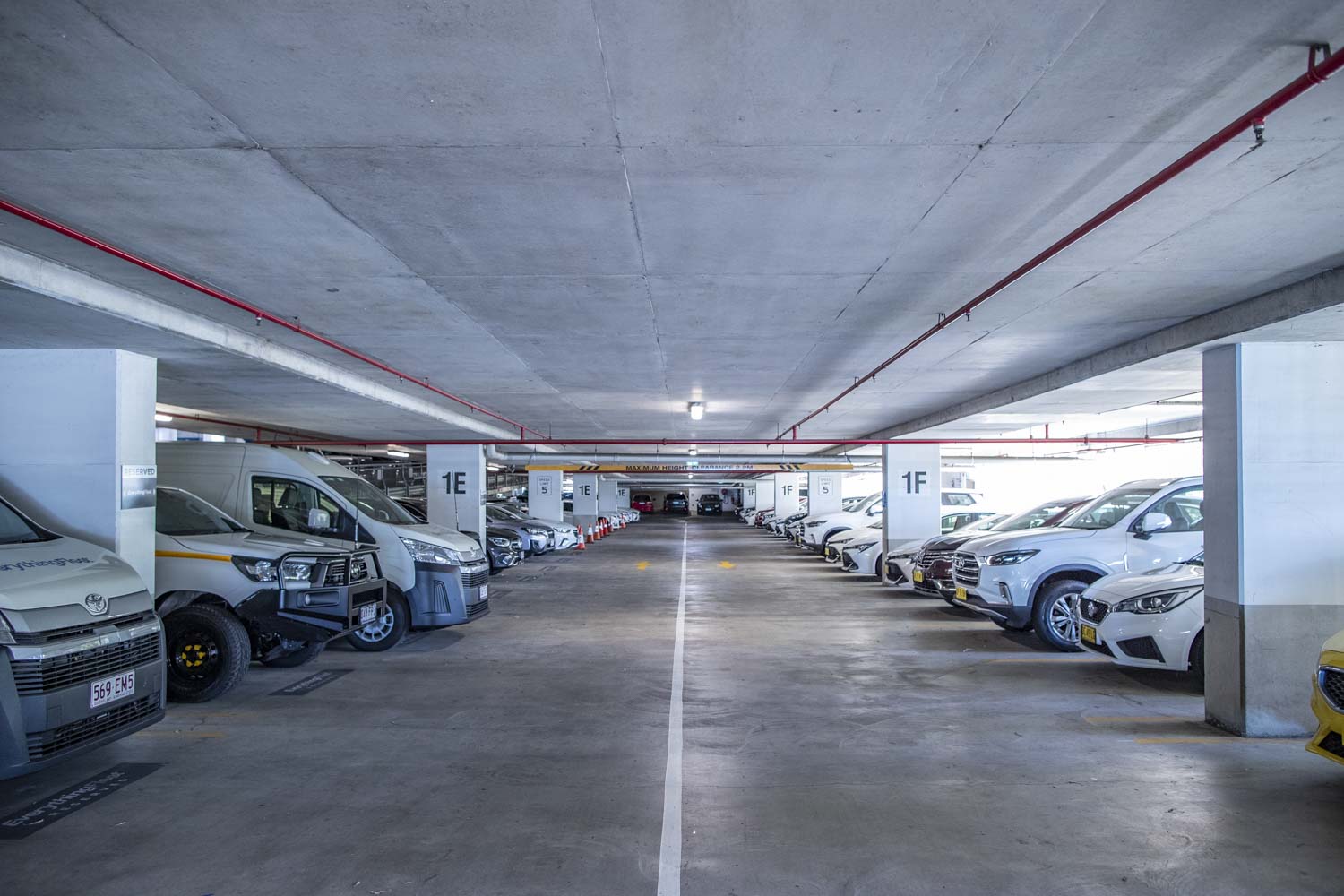
Parking lot line striping is a crucial aspect of maintaining an organized and efficient parking area. It not only enhances the aesthetic appeal but also maximizes space utilization and ensures safety for both drivers and pedestrians. Implementing the right techniques can lead to durable and clearly visible parking lines that withstand various weather conditions and high traffic volumes. This guide aims to provide a comprehensive overview of the essential techniques involved in parking lot line striping, helping property managers, facility maintenance teams, and business owners make informed decisions.
Preparation and Planning
Before embarking on the line striping process, adequate preparation and planning are vital. Proper planning ensures that the project is completed efficiently and meets all safety and regulatory standards.
- Site Assessment: Evaluate the current condition of the parking lot. Identify areas that need repair, such as cracks or potholes, which should be addressed prior to line striping.
- Layout Design: Plan the layout of the parking space, considering the optimal number of parking spots, designated areas for handicapped parking, and traffic flow patterns.
- Regulatory Compliance: Ensure that the striping plan adheres to local regulations and standards, including the Americans with Disabilities Act (ADA) requirements.
For more detailed planning strategies, discover expert strategies here.
Choosing the Right Materials
The choice of materials plays a critical role in the durability and visibility of parking lot lines. Here are the key considerations:
- Paint Type: Use high-quality, weather-resistant paint specifically designed for parking lots. Water-based or solvent-based paints are common choices, each offering unique benefits.
- Reflective Additives: Consider using reflective glass beads mixed with the paint to enhance visibility, especially at night or during adverse weather conditions.
- Durability Factors: Choose materials that can withstand heavy traffic, UV exposure, and temperature fluctuations.
Explore advanced guides and tips for selecting the right materials here.
Striping Techniques
Line Striping Methods
Several line striping methods can be employed, each with its advantages. The choice of method depends on factors such as budget, longevity, and specific requirements of the parking lot.
- Spray Striping: This method involves using specialized striping machines that spray paint onto the surface. It is efficient for large areas and provides a clean finish.
- Roller Application: Roller striping is a manual process suitable for smaller areas or touch-ups. It allows for greater control over the application.
- Thermoplastic Striping: A durable option that involves applying heated thermoplastic materials onto the pavement, providing long-lasting results.
Find out more about this approach here.
Maintenance and Longevity
Maintaining the integrity of parking lot lines is essential for prolonging their lifespan and ensuring continued effectiveness.
- Regular Inspections: Conduct routine inspections to identify wear and fading. Address issues promptly to avoid costly repairs.
- Re-striping Frequency: The frequency of re-striping depends on traffic volume and environmental conditions. Typically, it ranges from every 1 to 3 years.
- Weather Considerations: Schedule striping activities during favorable weather conditions to ensure optimal paint adhesion and drying.
Learn about our tailored solutions for maintaining your parking lot’s markings.
Conclusion
Implementing the right parking lot line striping techniques is integral to the functionality and safety of any parking area. From careful planning and material selection to precise application and maintenance, each step contributes to the overall success of the project. Staying informed about the latest methods and products ensures high-quality results that stand the test of time. For additional insights and customer feedback, check out customer reviews here to see what others are saying about us.
About the Author